FULL EPISODE | The Standard with Chance Brown | Episode 2 | Productivity with Trevin Oberkrom
Transcript
Tap a timestamp to watch from there
[Music] hey welcome back to the standard my name is Chance Brown I'm be your host today and I am excited to welcome our guest his name is Trevon overcome he is the COO of my brokerage here CB&A real tours he is also the team lead at given realy group and one of the things that I wanted to talk about today as we get going is how we get [ __ ] done like how we actually get things completed and I figured what better person than the person I trust with the operations of my brokerage than to bring on and talk about actually getting things done but before we do that Trevon say hello to everybody and tell them a little bit about you kind of how you got into real estate and what brought you here absolutely glad to be here um I am actually a second generation Realtor uh my parents were both in real estate when I was a kid uh my dad started out in residential real estate kind of like we are uh in the Kansas City area and shortly after got into the development side and just kind of dominoed from there um ended up moving from Kansas City into Denver and basically uh just doing the same thing rinse and repeat and my mom got into it as well handled the the sales side after they got the houses built and just kind of did a teamwork situation from there and um I tried to avoid it with with all cost uh just doing my own thing as I I I came through and started growing up and God's got other plans here I am so that's right so and actually so tell everybody what you did before you immediately before you did Real Estate because it's a cool story and for the purposes of like doing video and doing things it just shows that like you know you don't have to have a professional background to do it but you know having a few little pointers helps right absolutely so for the seven years before I got into real estate I was working in the television production world uh I was filming and producing for the Outdoor Channel and the Sportsman's channel uh we traveled all over the us a little bit in Mexico um doing everything from from hunting stuff to as well as like uh product uh and and companywide marketing pieces and things like that uh I did that for seven years uh produced our own show for two uh towards the tail end of it and as we all know video streaming has really changed the world changed the world and so uh I decided Ed that I was going to kind of get ahead of the switching and ahead of the changes and um my mom and my wife both were like you know what you're supposed to be doing and I was like no no no it's not happening and here I am so here you are seven years old here I am y y awesome well welcome to the standard so the purpose of the standard is to try to give everybody sort of a leg up on execution and on building a great business H and one of those things that I think most Realtors struggle with is actually getting to the finish line on the to-do list right I think there's you know my my coach likes to say that we are uh we're long on ideas but short on execution for sure um and so what ends up happening is you've got a to-do list and you've got 30 things on it you've started all 30 and they're all somewhere between 40 and 70% done and nothing ever really gets fixed because we keep getting better ideas and we start on focusing on this and stopping focusing on that and all points in between and so what I thought today what we could do is just kind of spitball some things on how we actually take a project to completion okay so when you have something that you're trying to get done whether it's in the brokerage whether it's in your personal business like where do you start um for me personally because I'm so analytical by nature is I want to understand the entire scenario as best I can um I don't care what you're going to do you're going to dive into something and you're going to learn different pieces and stuff as you go but for me it's to get as much out in the open and understanding uh of what the end goal is so then I can kind of reverse engineer where I need to go from there right um that'll give me kind of a rough idea of timetable for Stuff it'll give me an idea of um what to prepare for what I'm going to need and and that could be Realtor related company related what have you I I attack it from the same angle yeah um and that's that's going to be my my target process with everything I'm doing is go okay here's our end goal what is it going to take us to get this accomplished what am I missing and try and fill the gaps any way that I can uh so I can get to a finished product and so that end goal is is that the definition of success or is that I've got to get something that I can put out to the world and then we we reconfigure if we need to like you know in the in the world of startups is that a minimum viable product I would have to say yes from the beginning because I'm a firm believer that I don't care how long you're doing something or how long you're in Industry you're going to get better and you're going to improve over time so I think it's the famous you've taught us all since we got started in here is is don't don't get paralysis by analysis like go do something and then figure out how to improve it and expound upon that as the years progress and time does you're going to get better at everything you do well and if we know one thing like everything's going to change all the time so as soon as we get something in the can and we say okay well I'm done with that something in our world changes and we need to go make little adjustments sure um which actually to me is kind of part of that project management is okay if I've got this system or process over here and this over here changes does this affect that and if so do we need to then go back and look at you know if for example in our universe if a contract changes right so we need to look at that from an education standpoint we have a ton of video content on contracts that we need to go back in we need to have explainers out to the agents like there's three or four trickle down things that happen that we've got to go back in and change because of a little bit of verbage on a contract document change sure right so you know from that stand point I don't know that you're ever really done with most of your projects um and I think you know even if it's something that's a that's event based right like we have our annual Awards next week um every year that has evolved for sure right and so I think having a record of what you're doing makes a lot of sense so that you can go back and say I'm just going to La the rinse repeat this process but this year I want to add this or this year I want to add that or whatever that looks like right 100% so talk about reverse engineering you mentioned that I think that that's super important um and the story that I always kind of tell with that is when I first got into Management in a former life I got tasked with a project to see who were the best Builders okay right um were they the builders that were super customer Centric and were everybody's best friend um or whether they the builders that just went in and did the D did their job and went home and what we learned very quickly on in that analysis was and it was kind of a surprise to me was that the the builders who went in and they said okay in order for me to make the most money on my b on my bonus I need to reverse engineer this and they would say okay I need to close this by this date and then they would go back step by step and say these are the things that have to happen um those are the ones that actually got the highest survey ratings not the ones that were the most friendly and and Kumbaya the ones that actually got [ __ ] done and did it said they were going to do something and went out and did it those are the ones that they they actually had the highest customer satisfaction ratings that doesn't surprise me I mean being able to follow up with your word is important I mean yeah in anything we do so walk through for you you're going through in reverse engineering what does that look like and what wrinkle gets thrown into that when you have to delegate and we could probably do a whole other podcast episode sure I mean first for me like let's just say like brokerage wide if we're working on a project is number one we've got to set an expectation of when when this needs to be completed or or when we're trying to have something completed and depending on what project you're in you're having to determine uh really how to eat the elephant bite by bite it's okay this section going to take this long this section is going to take this long and sometimes you have to get into the project a little bit at first to really learn your time management and learn the real kind of expectation for when you're going to get a section done and then you can kind of build all those together yeah um and you often have to attack it that way especially if you're doing something brand new that's never been started before you're literally building from scratch whereas if you're taking something that has been done and you're trying to make improvements upon that or just certain pieces of it you can take something and go okay it's really just going to make us adjust this or adjust that right and those to me are handled kind of differently for the simple fact that um from the scratch stuff your project could be twice as long I mean it really could um and the the tweaking or improving or trying to make better uh it's really where you can hone in and and make things creative and really kind of put a flare or a touch or a culture on it um and so for me I have to approach those separately by time as well as a finished end goal finished product um and that's from like a company perspective now if you're talking about real estate or like running your business it's maybe a little bit different because a lot of that can be learned completely from scratch yeah so let's talk about that for a second because you brought that up so let's say I I have never done something before and I'm GNA go in and I'm GNA try I'm trying something totally brand new right and you talked about kind of taking a chunk of it and doing it and just seeing how it goes and seeing what that time looks like and all of that as somebody who you know doesn't hold attention well and I think I speak for a lot of Realtors when I say that abolutely um is that something you're going to sit down and do all in one chunk man I can't imagine that you can in in a realistic manner just from the fact that you're going to learn some stuff as you go right I mean like let's use our our KN and grow uh stuff that we reworked this past year um there was some of those sections that we were just tweaking a little bit where like the ninja program we had to kind of go so the time frame for those baby projects inside the big project were substantially different right we were we were working together we were reaching out to other people and gathering information so we could put it all in versus going okay we just need to pull this out pull this out and kind of reord some things and so you you really have to understand what you're accomplishing and sometimes you have to break it into baby incremental pieces gotcha okay because like for me I'm much better if if I can go in and do a couple hours and then walk away from it completely and sometimes I'll come back and I'll review and I'll make tweaks or sometimes I just come back and I go next section 100% um and so you know from that reverse engineering standpoint it's when can I time block out these sections to really dedicate towards this one thing yep um like right now we're working on something and it's really a it's a fairly simple project but it's labor intensive from a layout standpoint and then once it's laid out we can send it to our marketing team and they'll actually finish it off for us um but as I go through it I'm trying to get you know what we're trying to get across which I think is important from a messaging standpoint if you're if you're a real estate agent and you're trying to message something to a buyer a seller another agent a team member whatever that looks like but on the other side I've got to think about the user experience for sure and that's tough to balance the point you're trying to get across to what your recipient is going to see and hear and so I think that that walking away sometimes allows me to come back with a different perspective I would 100% agree and there's often times too when you get into the middle of a project it leads you down a different path than maybe you you kind of had envisioned when you got started and sometimes that's that's for a good reason right and if you pay attention to that and and you you track it to where it's going to take you um often times it helps kind of rewrite some of the other processes that you're doing to get get you to the Finish piece the right way versus trying to force certain elements so that stepping away is a very crucial piece for um so let's talk about that let's pull the thread on on what you were just saying how does that change when you have to delegate so especially when you're talking about a large siiz project or something um you have to understand your strengths and I don't care what part of a project you're in you've got to understand what your strengths are and where you can bring the most of the table in um it's no different than Like Us in real estate maybe some of us aren't the best at writing contracts so you should have a TC do that for you right stick to doing the selling like that's that's your even if you are good at writing contracts you should have a TC do that for you he's been telling me that for a long time um but it really is it's understanding going okay I can knock this out but this is something that I don't thrive in so who could do this in a quick ER Manor than me and do it well and you have to be able to separate yourself and not feel like you have to have a deathgrip of control on every aspect of it right like to me so I think actually TC is a really great example to use on this right because I think for a lot of us we don't want to give up control of that process because we think it's going to affect the customer experience and I've I've talked about this before in other other medium um but to me the TC is the easiest thing to give up even though most agents really struggle with it and every time I tell them and then finally they go do it and they're like oh [ __ ] I wish I had done that years ago but the TC is the easiest part because a your client doesn't see you sending emails to the title company they don't care they don't know that that happens unless you're talking about it which is again another podcast episode probably but the truth of the matter is if you're hiring a professional transaction coordinator they probably have better processes than you anyway and so you're actually going to enhance that experience but it is realizing that there's somebody who can do it better letting in some cases ego in some case just fear 100% pull it out of the way and and give it to somebody else to do Define what success looks like for them and then measure it and just see how it goes and give feedback and let that process consistently improve right yeah it is and and and the TC thing is a is a good way to just project management in general right it is because most people regardless of Industry the biggest excuse or thing that stops them from trying something different is is a fear-based thing or or we don't like the change or how is this going to affect me my business my clients what have you and it's no different than if you're talking about it internally right you you're going what's what's going to affect my part of this or or what have you are these going to be fluid are they going to be cohesive and you have to be able to release and just be able to analyze it and go okay I need to tweak this or I've got to adjust here or maybe we can work together to adjust this and that is going to be your biggest from the delegation piece getting to a happy marriage of a product at the end is working together and expectations yep expectations is going to be the biggest piece of it you and I do it all the time where we we bounce things back and forth and make sure that uh we're on the same page it's no different from a Realtor to a TC you're explaining hey they are going to be the ones that are taking care of this for you but if you don't tell them then there's that odd yes situation yeah it's about communicating the right way okay shifting gears a little bit here so let's go back to my to-do list that has 37 things on it that are all 40 to 80% done 70% done whatever right how do you prioritize what needs to be done now without and I think this is the key letting recency bias really play a play a big part which is hard because that idea I had in the shower this morning was awesome and we need to do it right this second so I think for me I I look at this in two different ways is what task can make the greatest effect on the company or my business or what whichever in the fastest manner if I get it completed right so which which one provides an immediate Roi that is for me one level of how to prioritize and then the other one that you really can is is which of these can I get done the quickest and implemented so then I can dive further into other pieces or other projects and the only reason I say that I like to look at it from both of those uh angles is is sometimes we have 37 things on a list or what have you and the number of them begins to overwhelm just the thought of doing it and then you get into the 60 70% done and then you move on to the next where if you sit down and you go hey you know what I could get both of those done by Friday they'd be off my list then I'd be like lower 30s it gives you a sense of like accomplishment it gives you some confidence that's built up and when you get that going it helps Propel you into the next areas yeah um so if you can get certain things off your plate it allows you to focus more on certain pieces instead of all the pieces gotta and then the back end of that is you have to pay attention to the ones that can either help the bottom dollar or can make time more useful and that's your other prioritizing pieces that you can't ignore I heard a great term the the other day instead of return on investment return on energy there you go because there are some things that you do and you know you're not going to get a real investment from a dollar standpoint back but was it just worth your effort and time and and sometimes mental energy liver function you know whatever that looks like right um you know one of the things that has always worked for me and this is it's what 2025 so this is a 14-year-old going on trick now that Tom Ferry taught me in 2011 I think or 20 2 so shout out Tom Ferry um he showed he showed me how to do a do doing done board which is like the most simple thing ever but the way that it helps me prioritize was actually like the secret weapon of the do doing dboard so for those you'all who don't know dooing dboard really quickly it's you have your to-do list you are able to take two things from your to-do list and put them in the doing section okay and you're not allowed to touch the too list until those two things are moved over to the done section right so you have to complete those two items you can only focus on those two items once you're done with them you go back to your to-do list and you pick the next two so the secret of that for me like hey Kudos you're getting [ __ ] done right like the doing stuff actually makes its way over to the done section awesome but what really happens is when you get back to the to-do list was that thing that you thought of in the shower that morning really as as important as you thought it was a week or two later once you've gotten something else done and so it kind of helps you reset the expectations and sometimes those things go into a one of these days file that we'll get around to that one of these days um sometimes you realize that hey that idea that's down here at the bottom my two list actually would be really helpful now and so it goes up to the top and gets moved over to the doing um and so for me just having that because I'm a very visual person so having that visually kind of written out list is a big deal for me because then I can say okay well this is important this is important and move those things forward yeah I I definitely agree um I probably don't do it so formally I guess maybe with with that manner but that's that's definitely kind of the the way of tackling them yeah I mean and you know the formality like I've got a whiteboard here in the office that has that on that I've used Post-it notes before like just stuck them on a wall um I keep them in my my remarkable you know wherever there's even a for those of you who are more digital than me um there's an app called Trello that is essentially a dodoing d board on on on your phone which is pretty cool um my wife and I used to use it for restaurants we wanted to try there you go that was our Trello app usage so probably not what the founders of Trello were hoping for from a project management standpoint but hey we tried new restaurants because of it there you go all right next up is when we get to the point where we feel like we're about to move something into that that done category what do your review process look like or your is it a field test is it a just go back and look through everything and make sure we've dotted eyes and cross te's is it a combo like what what happens there before we actually go to hit the launch button man I think really one of the first things is is kind of that combo platform um one of the things I love about here that every piece of this company that I've ever been involved in is it's a good sounding board with other people and and having people that are around you that you trust and you kind of want to um hear their thoughts on something um so for me it's I think we do a lot of stuff where we put things into play ask a little bit do a little trial by fire make sure we feel comfortable if we need tweaks before we get into the final elements of it so I think um having like a review team or having some form of little beta test group or whatever that looks like yeah that you can really pitch pitch the scenarios off of cuz even one little thing that you may not be thinking of could completely Propel a project from being good to great and it's really one of those that um sharing of the minds is huge uh and I think that's one of the things that I really enjoy about being around here is we've always had good teams for that stuff I agree we you know we one of the things we always try to look at is like I have my ideas of the way things have been should be done but those are based off of my experience right and my my past whatever and yours is different and I mean if I was shooting this podcast right now and you weren't in the room I would probably have to shoot it three times because you've helped set set up all the cameras um but because you have that past experience but everybody kind of brings that rounded look to things and somebody who grew up in a certain background or it's a different culture or whatever their weight of their what their experiences are when you can put that all together what you end up with is a far more well I think rounded end product sure um that can speak to a number of different people no matter really what that looks like right um okay so I think maybe one of the last things here as we kind of wrap wrap this up um is whe whether you call it a debrief an after Action Report or whatever that looks like is how did it how did it work once you launched it um and then what happens the biggest thing that I'm going to say um and and like your business coach we talked to him a lot about this stuff but you got to be able to take some criticism from from really whoever you have involved and you got to be open-minded to it because if you walk into it just being a brick wall um you're not going to allow whatever it is you're working on to get to its greatest element of of success and so you've got to be able to come back look at it realistically and go so we got some gaps here how can we make this better or how can uh we improve this and so taking criticism and then as well as really looking at a project in general and rethinking it now that you've seen something um you got to I hate to use the corny term but get outside the box a little bit and make sure that you've looked at it from a bunch of different angles it's no different than like this right here where you've got multiple angles like you've got to look at it that way well and you know I talk about this all the time it's actually one of our core beliefs here at CB&A is is challenge traditional thinking and that in part comes because I think that the real estate industry in particular there is this we've always done it that way mentality and so when you look at it from all these different angles can you look at it from somebody outside your industry that has some level of correlation um and innovate based off of things that other Industries have done and I think there's plenty of room for that in a service-based industry product is Maybe a little bit different U but in a service based industry like we're in I think there's plenty of room to steal from other people outside of our industry and make it better um there's actually so there's I'm looking at it right now there's a book over your shoulder called Extreme ownership by Joo willink and and leaf Babin and one of the things that they talk about is the power of the debrief and how oftentimes when they were on missions um because they were both Navy Seals if you don't know the book um when they were at missions they would spend more time actually debriefing what they just did than than they did planning ahead um and so I think that the I think it's often overlooked because it's easy to overlook but I think the power of coming back and saying okay how did that event go or I just tried this in a listing agreement or a listing appointment did it work and what happened in that listing appointment you we have an agent one of actually one of our managers down on on the south side of Houston who I think is one of the best there is at debriefing and he does it in a way so that his approach is can I answer the question that's going to come up next time before it even gets asked based off what I've seen in past listing appointments or buyer consults or whatever that looks like so he's trying to use it to be proactive to improve the process and I think that that's super important like I don't think it gets done enough because again it's easy to skip um but if we're honest with ourselves I think anytime we try out something new or we've built a new system we've built a new process um we're changing a different script or something like that going back and looking at the results of it not just in the immediate but maybe 30 days later after we've tried it three or four or five times um because I also think one of the things that we do terribly in this industry and I have a long list but I think one of the things we do terribly in this industry is we just go try something without really practicing it and making it ours and and stuff and then when it doesn't work we're like a this sucks I'm never doing this again when really it's us that probably sucks um and so I think the debrief is a super powerful piece of that project management element when you look at it from I've planned I've defined what success looks like I think in the in the beginning I've reverse engineered the steps I need to take to get there I've actually gotten there and now I've had a few people look at it they think it's good I try it out if we stop there I mean it could just be falling on deaf ears there's the old story you know of FaZe have you ever heard this the founding of FaZe so FaZe was never intended to be FaZe like like we know it now right it was just intended to be sort of a cleaning product that was out there um that would help the house smoke it and they put it through all the tests that a big company I think Proctor and Gamble owns fze I'm not sure don't sue me if they don't Proctor and Gamble um they put it through all the tests they launched it and it fell super flat and then they just changed the marketing a little bit to speak to what it actually does and when they did that boom took off nobody cared about the the cleanliness piece of it they cared about the smell part of it and they had commercials where they're smoke they're covering up a dog they're covering up you know whatever and as soon as it did that you know now it's synonymous with air freshener um you can just fze something and so I think that if we they had never done that and they had just kept plotting along we would probably not use fze and vernacular like we do today so their ability to go back realize that there was a problem and then redo it change the way and change their bottom line forever so I think that if we look at it from a project management standpoint that going back through and doing the review at the end is is super important I don't disagree we we do it pretty much in everything here um and it it's something that has allowed us to to grow and develop a lot of different pieces yeah and if you don't have it what are you really analyzing I guess right right um what else are we missing here when it comes to keys to getting things done oh I know what we need to talk about let's talk about distractions so I'm going to brag on Trevon for a second here um Trevon is one of the better people I know at actually putting walls up when he's working and not getting distracted because I will be the first to tell you like phone rings text message comes through even if I like have my ringer off but I can see it like I need to throw my phone across the room when I'm actually trying to focus in on something and I shut down my email but like how do you minimize distractions while you're focused on a certain thing so total honesty I haven't been great at this forever um I used to be chasing squirrels and stuff all over 10 Buck to and um it got to the point where I had my list of 40 things that never got done uh and it created frustration and so much that I I had to kind of look at myself a little bit and have some hard conversations in the mirror and um now I guilty is charged like I can somebody can be in my ear talking and I will be so hyperfocused on stuff and it's really bad like I've been unfortunately take it kind of home with me in certain way so Amber I'm sorry um but you have to ignore the noise um and stay in where you're at because if you don't especially if you're an active minded person um you can end up in the shower when you're not in the shower right yeah and so for me I had to really number one understand me and how I'm wired because if I don't be real real disciplined I literally could be out in that parking lot pick up acorns or something when I'm supposed to be working on spreadsheets right and you have to stay laser focused and the best way I know to tell anybody to do this is um it sounds so corny in this industry but you got to time block stuff or or separate stuff I mean I think that's the key and even if it's like you know there there's this new trend in time man the Pomodoro system or whatever where you're only working for like 20 or 25 minutes whatever that looks like it doesn't matter but I do think like if I'm going to set aside and it doesn't have to be four hours right set aside half an hour set aside 45 minutes listen there is nothing going on in your life that you can't like turn your phone off for 30 minutes for sure or 45 minutes or shut your email down for 30 45 minutes just do that and then walk away for 10 minutes answer calls return emails check your Facebook or whatever you need to do and then go back to work I think the biggest thing with that too is is like you could listen to a million different motivational speakers right and they may have 50 different ways of how to do that you really have to identify what is best for you like you you may have a 30 minute tension span where I have an hour tension span and that's cool but be honest about that and attack that 30 minutes in the absolute best manner that you possibly can and then separate and then come back and do it again and replicate so you have really really efficient use of the time that you're putting into it instead of putting two hours and you get 20 minutes of real activity out of it right and so I I think it again boils down to like understanding you and and what your strengths are in that I think that's super important because yeah I think we tend to oh 5 a.m Club cool like listen personally there is never a time that I'm going to be in the 5:00 am. club unless I have to catch an airplane or unless I'm still up like that's when I'm going to see 5:00 am. because I'm just not a morning person but I'll email you at 2 am last night I emailed you at 2 a.m. um I don't think it was that late but it was late um I yeah you have to do it works for you and make it work but the key is you have to make it work like there's no one else who can do it right and there's no book or anything you just have to say okay I have 30 minutes in me shut it down do only the thing you're doing for 30 minutes and every time this is going to show like how hard this is for me to believe because I've been doing it for long time but every time I do it I'm like damn I'm able to get a lot of stuff done when I actually just work right it's kind of dumb yeah I'll say especially in this industry your email and your uh cell phone are your worst enemy yeah for sure and um we were talking about it yesterday ironically but the the seven levels of communication book in in the book The Coach talks about turn your freaking phone over for an hour it's not going to kill you it's not and go do this and you'll be shocked how much you can accomplish yeah so if you can just do that incrementally over the day and then you do that over your week and so like it's astronomical when it builds up it is it's that you know Compound Effect right yep 100% cool anything else we need to share on project management and getting [ __ ] done I can't think of it I think it's pretty good yeah if you're not done and you haven't listened to this like this is this is going to give you some good pointers all right you ready speed round all right four questions top of your mind but it comes up first your favorite Business book you might have already mentioned it I have two right now I would be honest which is uh seven levels of communication and then I really really like uh unreasonable Hospitality yeah it's great it really really is it's great all right your favorite tech tool OR tech toy thing you like to play around with the most or use the most the remarkable remarkable hands down it's the greatest thing I've I've had the remarkable just confounds me right because it's such a simple tool y but it's so good I it's like if I had to leave home without my laptop but I had my remarkable I would probably be okay with it I don't think I would swap my remarkable for phone but I would probably be okay with just taking my remarkable because it's such a good product 100% all right outside of this one obviously what's your favorite podcast um o man um I enjoy Josh Smith with uh get [ __ ] done um how appropriate I like the the just straight to the point the realistic not the beat around the bush so I do enjoy his all right um and the best piece of advice you've ever gotten doesn't matter if it's business or personal or anything else I'm G throw one to my my dad a bone on this one the the two things that he told me which funny enough correlate into real estate at the end of it is is there's two things that they don't make any more time of and that's time and it's land yeah there you go and so capitalize off both of them perfect wow that is how you end a real estate podcast right there kids um especially when it comes to project management in real estate so Trevon thanks for being with us on the standard appreciate it thank you for watching and listening uh subscribe share we appreciate it and we will see you next time
Keep going
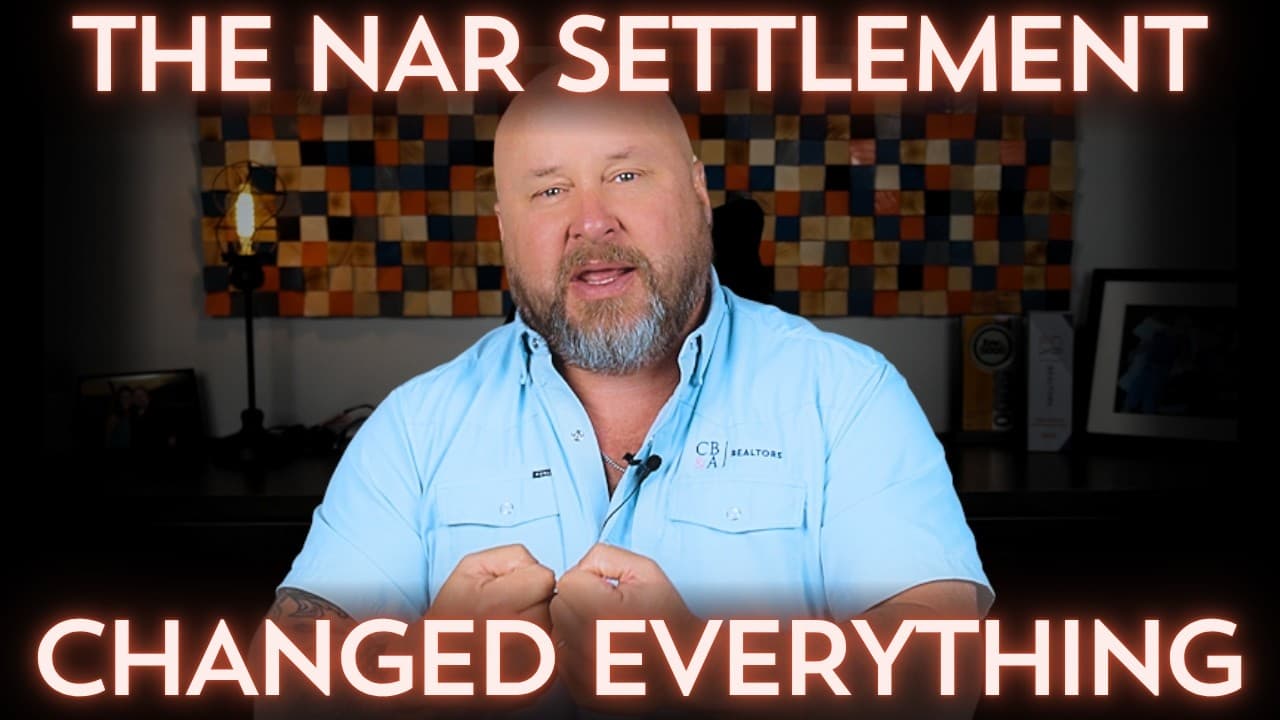 Watch8:37
How To Navigate the Post-NAR Settlement World
Jun 24, 2026
 WatchShort
Assume you have the business and focus on next steps
Jun 11, 2026
 WatchShort
AI is a tool that can be used to enhance your consultations
Jun 9, 2026
 WatchShort
Never be afraid to ask for business
May 12, 2026
 WatchShort
A CRM will make your life easier and grow your business
May 7, 2026
 WatchShort
AI can help you and hurt you. Be mindful of what you use it for
Apr 14, 2026